Sports Collectibles
| Company or brand | Important baseball card years |
|---|---|
| Peck & Snyder | 1868–1870 |
| Goodwin & Co. / Old Judge | 1886–1890 |
| Allen & Ginter | 1887–1888; later revival |
| American Tobacco / T206 | 1909–1911 |
| Cracker Jack | 1914–1915 |
| American Caramel | 1900s–1920s |
| Goudey Gum | 1933–1938 |
| National Chicle | 1934–1936 |
| Gum, Inc. / Play Ball | 1939–1941 |
| Bowman | 1948–1955; revived 1989 |
| Leaf | 1948–1949; revived later |
| Topps | 1951–present |
| Fleer | 1959 specialty issue; major sets 1981–2005 |
| Donruss | 1981–2005 major MLB-licensed era |
| Score | 1988–1998 |
| Upper Deck | 1989–2010 MLB-licensed era |
| Pacific | 1990s–early 2000s |
Dates refer to notable baseball-card issues or major licensed periods, not necessarily the full operating lives of the companies. Some brands continued or returned under different owners.
Historical sources include the National Baseball Hall of Fame, Metropolitan Museum of Art and PSA CardFacts.
Baseball Hall of Fame+3
The History of Baseball Cards
A Look Back at the Companies, Cards, and Collectors That Made History
Long before baseball cards became valuable collectibles, they were simply a clever way for businesses to advertise their products.
What began in the 1860s as promotional photographs and trade cards eventually developed into one of America’s most popular collecting hobbies.
Over the years, tobacco companies, candy manufacturers, chewing gum producers, and eventually dedicated trading card companies helped transform these small pieces of cardboard into treasured reminders of baseball history.
1860s–1870s: The Beginning
Some of the earliest baseball collectibles were photographic portraits of individual players and entire teams, mounted on cardboard.
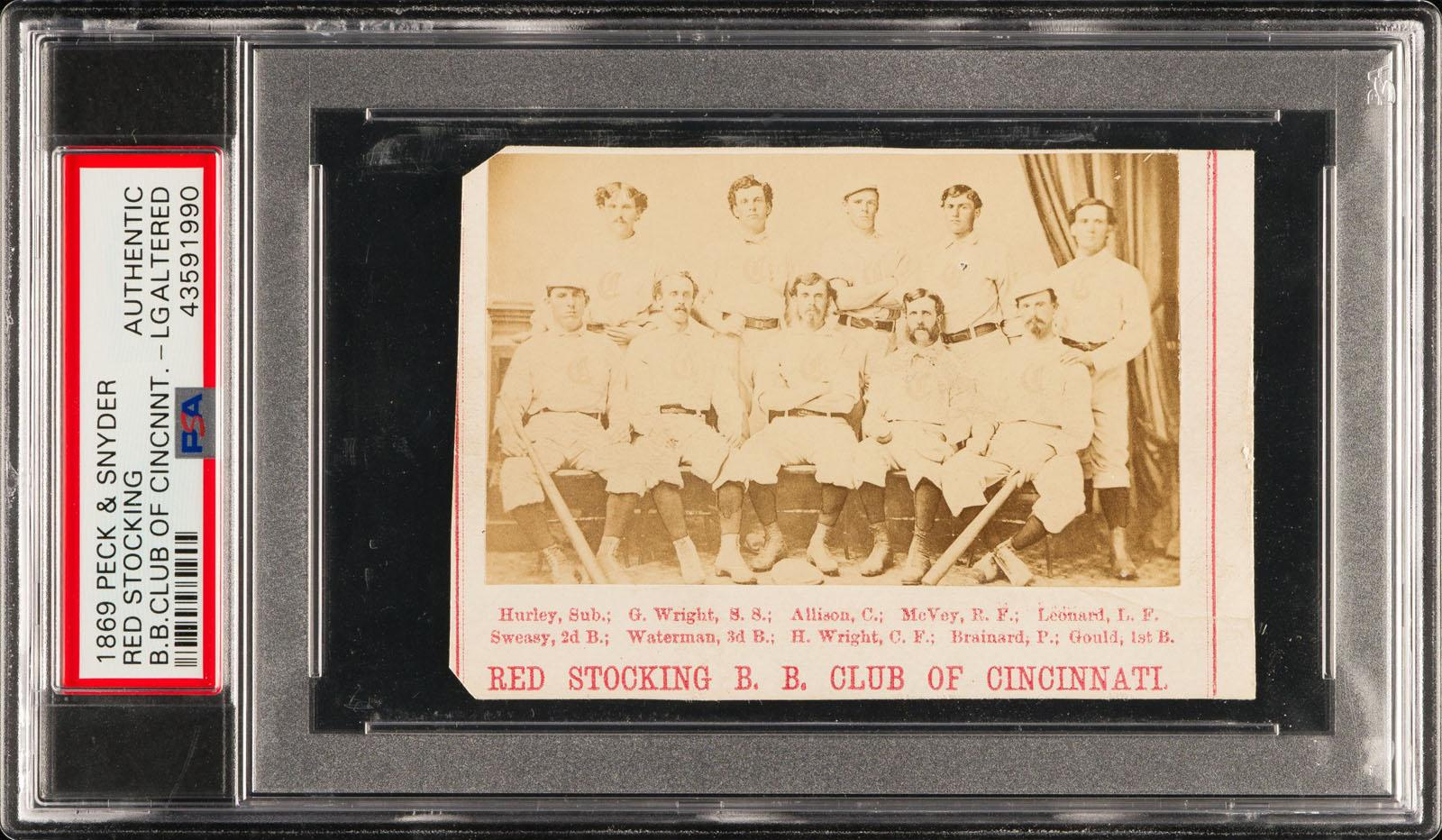
Among the pioneers was Peck & Snyder, a New York sporting goods company that distributed advertising cards featuring baseball teams.
Its famous 1869 Cincinnati Red Stockings card is widely recognized as one of the earliest true commercial baseball cards.
Unlike today’s cards, these early examples were primarily advertisements rather than products intended for collecting.
1880s–1910s: The Tobacco
Among the important names were:
- Goodwin & Company (Old Judge Cigarettes) – 1886–1890
- Allen & Ginter – Notable baseball issues beginning in 1887
- Buchner & Company (Gold Coin) – 1887
- Duke’s Cigarettes – 1889
- American Tobacco Company – Famous baseball issues from 1909–1911
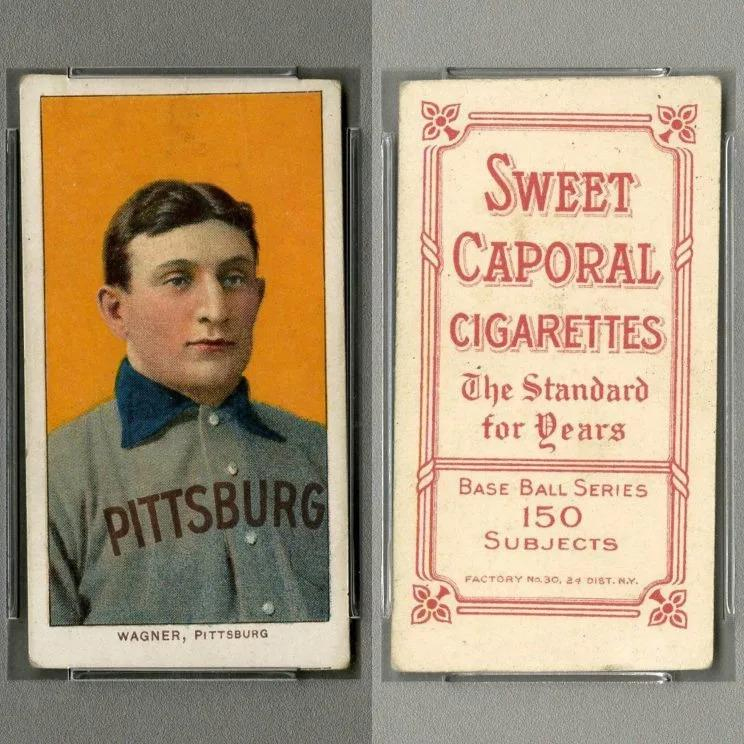
- Piedmont, Sweet Caporal, Sovereign, and other cigarette brands – Distributed the celebrated T206 series
The T206 baseball card series, issued from 1909 through 1911, remains among the most famous in collecting history.
Its legendary Honus Wagner card became one of the hobby’s most celebrated rarities.
1910s–1920s: Candy, Caramel, and Other Promotions
As baseball grew in popularity, companies outside the tobacco industry began using baseball cards to advertise their products.
Among the most memorable were:
- American Caramel Company – Various issues during the 1900s–1920s
- Cracker Jack – Famous 1914 and 1915 baseball sets
- Strip-card publishers – Inexpensive cards printed in strips, particularly during the late 1910s and 1920s
Cards could now be found with candy, caramel, and other products, helping introduce baseball collecting to younger generations.
1930s: The Chewing Gum Revolution
The 1930s marked a major turning point.
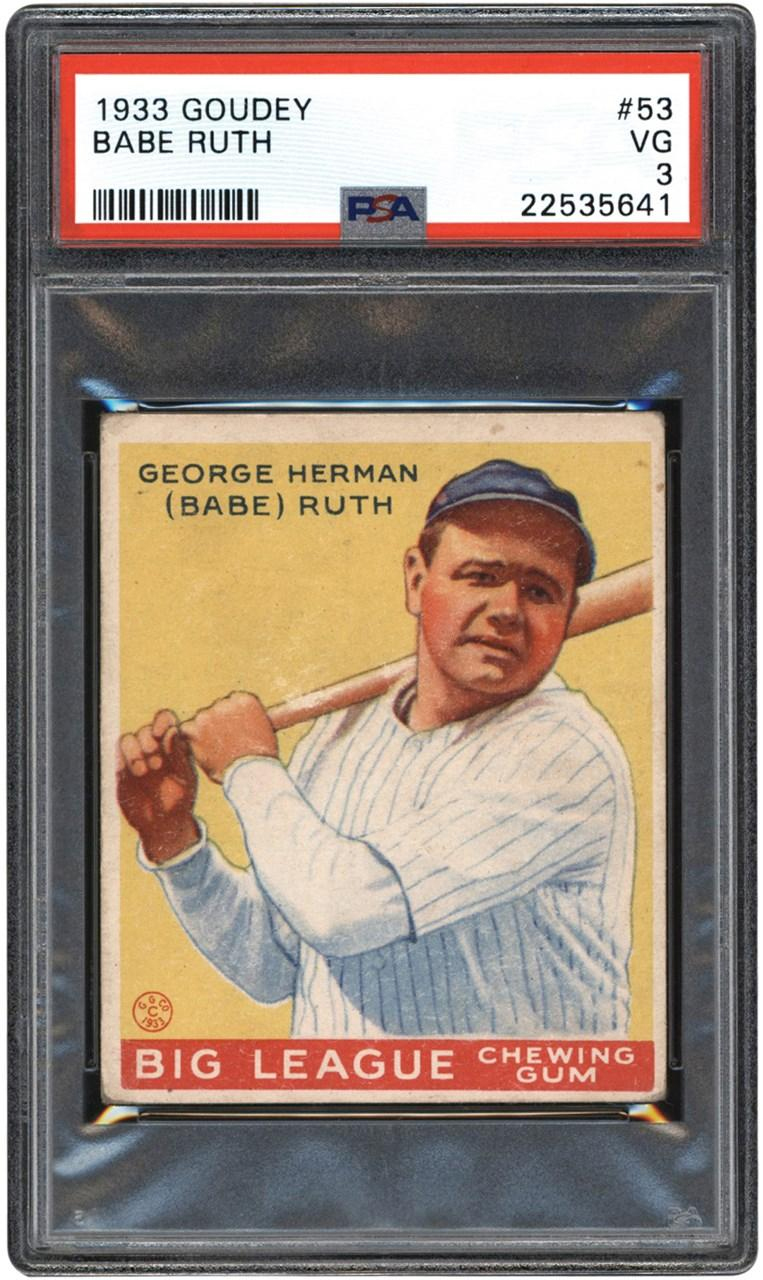
The Goudey Gum Company introduced its famous 1933 baseball card series, featuring colorful portraits of the game’s biggest stars.
Babe Ruth and Lou Gehrig were among the players featured.
Other important manufacturers included:
- Goudey Gum Company – 1933–1938 baseball issues
- National Chicle Company – 1934–1936 Diamond Stars
- DeLong Gum Company – 1933
- Gum, Inc. – Play Ball series, 1939–1941
These colorful cards helped establish the foundation for the modern baseball card hobby.
1940s–1950s: The Birth of the Modern Baseball Card
World War II interrupted baseball card production, but the industry returned strongly after the war.
In 1948, Bowman Gum and Leaf produced important baseball card sets.
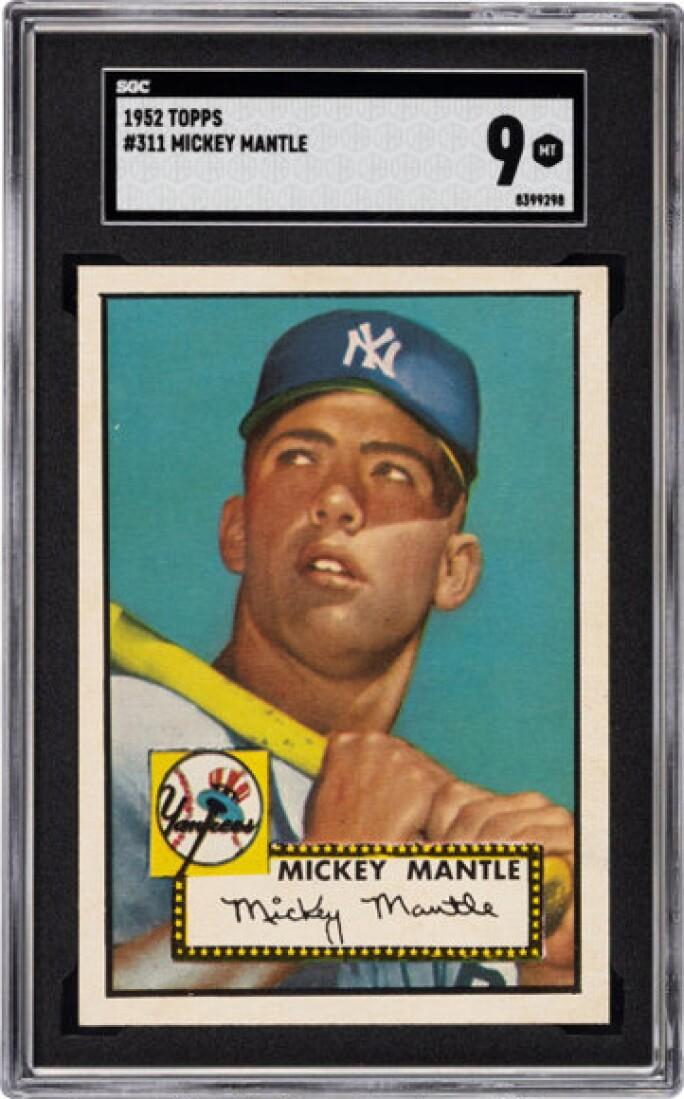
Topps entered the baseball card market in 1951, followed by its landmark 1952 series.
The 1952 Topps set included the now-famous Mickey Mantle card #311, one of the most recognized baseball cards ever produced.
Important companies included:
- Bowman Gum – 1948–1955
- Leaf – 1948–1949
- Topps – Beginning in 1951
- Fleer – Early baseball-related issues, including its 1959 Ted Williams set
Topps purchased Bowman in 1956 and went on to dominate the baseball card industry for decades.
1960s–1970s: The Topps Years
For millions of American youngsters, opening a package of Topps baseball cards was a treasured part of growing up.
The familiar combination of baseball cards, bubble gum, player statistics, and colorful photographs became a summertime tradition.
Topps was the dominant manufacturer of mainstream baseball card sets throughout these decades.
Other companies occasionally produced specialty, promotional, or food-related issues, including cards distributed through Kellogg’s and Hostess.
1980s: Competition Returns
The baseball card industry changed dramatically in 1981 when Fleer and Donruss entered the mainstream market alongside Topps.
Collectors suddenly had several major brands to choose from.
Important manufacturers included:
- Topps – Continued its annual sets
- Fleer – Major annual sets beginning in 1981
- Donruss – Major annual sets beginning in 1981
- Score – Entered the market in 1988
- Upper Deck – Introduced its premium baseball cards in 1989
Upper Deck’s 1989 Ken Griffey Jr. rookie card became an icon of modern collecting.
Unfortunately, the tremendous increase in production during the late 1980s and early 1990s left many cards far more common than collectors originally realized.
morabilia, serial-numbered parallels, and premium finishes.
Topps remains one of the most recognized names in baseball card history. The company was acquired by Fanatics in 2022.
Today, collectors pursue everything from nineteenth-century tobacco cards to modern limited-edition releases.
Yet despite all the changes, the appeal remains remarkably similar: owning a small piece of baseball history.